
Best Hip Replacement Doctor in India: Dr. Ashish Singh's Approach to Robotic Hip Surgery
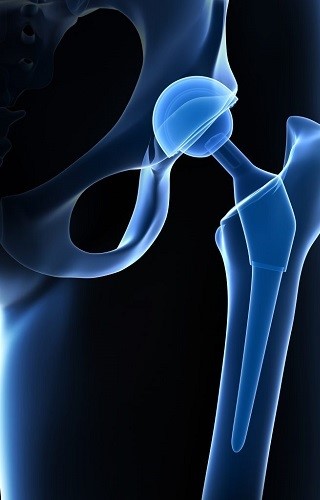
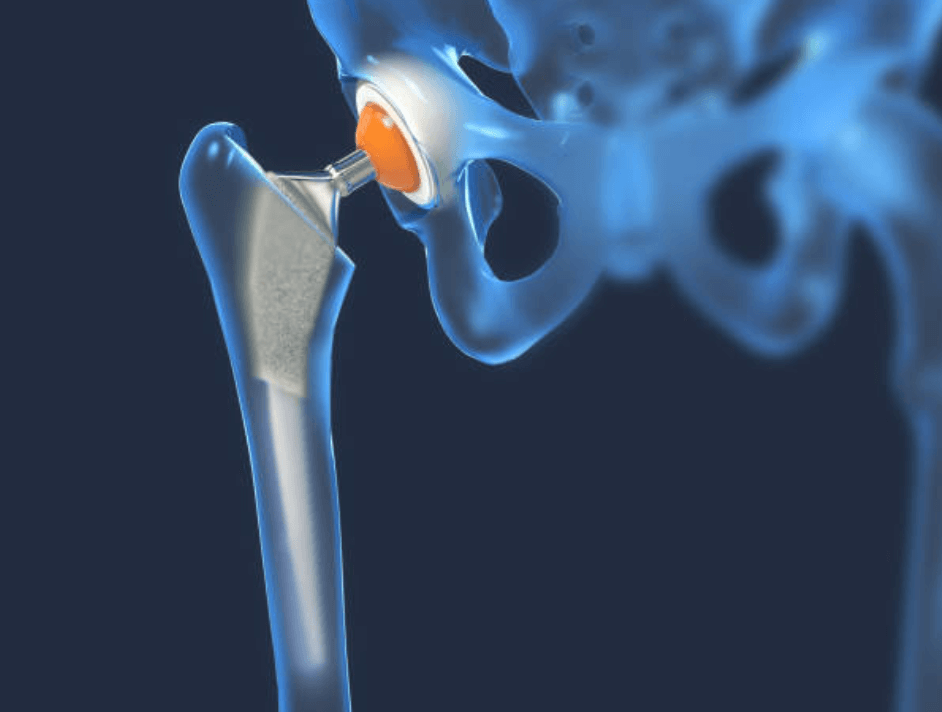
Expert Hip Replacement Care, Trusted by Patients Across India
Hip pain can make even simple daily activities like walking, climbing stairs, sitting, or sleeping uncomfortable. When medications, physiotherapy, or lifestyle changes no longer provide relief, hip replacement surgery may be the most effective treatment to restore mobility and improve quality of life.
Dr. Ashish Singh is an orthopedic surgeon with more than 25 years of experience in joint replacement, and more than 3,500 robotic knee and hip procedures performed since 2020. While based at AJRC, Patna, he is consulted by patients from across India - and internationally - for hip replacement, revision surgery, and second opinions on complex hip conditions. Every treatment plan is personalised using advanced robotic technology for greater precision, faster recovery, and long-lasting results.
Why Patients Across India Choose Dr. Ashish Singh

Experience
25+ years of experience in orthopedic and joint replacement surgery
3,500+ robotic knee and hip replacement procedures
Since 2020Regularly consulted for second opinions on complex and revision hip cases
Experience treating patients who travel from other states and abroad
Personalised, transparent treatment planning from consultation through recovery
Who Needs Hip Replacement Surgery?

Many patients live with chronic hip pain for years before considering surgery. Hip replacement may be recommended when conservative treatments fail to relieve symptoms and the damaged joint significantly affects daily life. You may be a suitable candidate if you experience:
Persistent hip pain that limits daily activities
Difficulty walking or standing for long periods
Severe hip stiffness affecting movement
Pain while climbing stairs or getting out of a chair
Hip pain that disturbs sleep
Advanced osteoarthritis or rheumatoid arthritis
Avascular Necrosis (AVN) of the hip
Hip fractures causing permanent joint damage
Failure of non-surgical treatments such as medication or physiotherapy
An early consultation with an experienced hip replacement surgeon can help determine the most suitable treatment for your condition, wherever in India you're based.
Common Causes of Hip Joint Damage
Hip replacement surgery is generally recommended when the hip joint has been severely damaged and cannot be restored through non-surgical treatment. Common causes include:
Avascular Necrosis (AVN)
Hip Fractures
Post-traumatic Arthritis
Congenital Hip Disorders
Sports Injuries
Degenerative Joint Disease
Proper diagnosis helps determine whether robotic hip replacement is the most suitable treatment option.
Symptoms That May Indicate Hip Replacement is Needed
Ignoring hip pain can lead to worsening joint damage and reduced mobility. Common symptoms include:
Continuous pain in the hip or groin
Difficulty walking without support
Pain while climbing stairs
Joint stiffness
Reduced range of motion
Limping while walking
Pain during rest or at night
Difficulty sitting, standing, or bending
If these symptoms persist despite conservative treatment, consult a hip pain specialist for evaluation.
Planning to Travel to Patna for Treatment?
A significant number of Dr. Ashish Singh's patients travel from other states and abroad for hip replacement surgery and second opinions. To make this straightforward, the team assists with:
Video or phone consultations for an initial opinion before you travel
Guidance on reports and investigations to carry for your first visit
Coordination of appointment scheduling around your travel dates
Support with accommodation and local logistics near the hospital
A dedicated point of contact throughout your visit and recovery
This makes it practical for patients from across India - not just Patna and Bihar - to access the same robotic hip replacement expertise.
Recovery After Robotic Hip Replacement Surgery
One of the major benefits of robotic surgery is faster recovery with improved joint function.
Standing and walking with assistance
Reduced pain and improved mobility
Resume most daily activities
Improved strength and independent walking
Complete recovery for most patients
Recovery varies depending on age, overall health, physiotherapy, and adherence to post-operative instructions.
Life After Hip Replacement Surgery
Most patients experience significant improvements in mobility and quality of life after successful hip replacement surgery. Following rehabilitation, many patients can:
● Walk comfortably with minimal pain
● Climb stairs confidently
● Resume office work
● Drive safely after medical clearance
● Travel comfortably
● Return to low-impact physical activities
● Enjoy an active and independent lifestyle
Maintaining a healthy weight and following physiotherapy recommendations can help maximize the lifespan of the hip implant.
Why Robotic Hip Replacement is the Preferred Choice
Robotic hip replacement surgery at AJRC uses computer-assisted planning to guide implant positioning with greater accuracy than manual techniques.
Robotic Hip Replacement
Computer planning
Highly accurate implant positioning
Smaller incision
Less tissue damage
Lower blood loss
Faster recovery
Better implant alignment
Improved long-term outcomes
Traditional Hip Replacement
Manual surgical planning
Depends entirely on surgeon's manual alignment
Larger incision
Greater tissue disruption
Higher blood loss
Longer recovery
Higher risk of implant misalignment
Conventional outcomes
Why Patients Across India Trust Dr. Ashish Singh

Why Patients Across India Trust Dr. Ashish Singh
Patients from Patna , across India, and abroad trust Dr. Ashish Singh for his extensive experience in hip replacement surgery, patient-focused care, and use of advanced robotic technology. Every treatment plan is tailored to the patient's condition, ensuring accurate diagnosis, personalised care, and support throughout the recovery journey.
- Experienced hip replacement surgeon: 25+ years in practice
- Expertise: in robotic joint replacement
- Personalised: treatment plans
- Advanced: surgical techniques
- Comprehensive: pre- and post-operative care
- Support: for patients travelling from other states
- Focus: on faster recovery and improved mobility
Patient's Review
I had been suffering from severe hip pain for years, but after my hip replacement surgery with Dr. Ashish Singh, my life has completely changed. His expertise in robotic-assisted surgery ensured a smooth procedure and a quick recovery. Now, I can walk and enjoy activities pain-free. Dr. Singh truly is the best hip replacement doctor in Patna. I highly recommend him!
-Rajesh Kumar, Patna
Ready to Walk Pain-Free Again?
Schedule your consultation with Dr. Ashish Singh for expert hip replacement care - in person or via video consultation if you're travelling from outside Patna.
FAQS
Who is the best hip replacement doctor in India for a second opinion?
Dr. Ashish Singh is regularly consulted by patients across India for second opinions on hip replacement, revision surgery, and complex cases, drawing on more than 25 years of orthopedic experience.
Can I consult Dr. Ashish Singh if I don't live in Patna?
Yes. Many patients travel from other states and abroad for consultation and surgery. Video consultations are available for an initial opinion before you travel.
When is hip replacement surgery recommended?
Hip replacement surgery is recommended when severe hip pain, stiffness, or joint damage affects daily activities and non-surgical treatments such as medication or physiotherapy no longer provide relief.
What are the benefits of robotic hip replacement surgery?
Robotic hip replacement offers greater surgical precision, accurate implant placement, less tissue damage, reduced pain, quicker recovery, and improved long-term joint function compared to traditional techniques.
How long does it take to recover after hip replacement surgery?
Most patients begin walking with support within 24-48 hours. Recovery usually takes 6-12 weeks, depending on overall health, physiotherapy, and post-operative care.
How long does a hip implant last?
Modern hip implants can last 15-20 years or longer with proper care. Dr. Ashish Singh uses advanced implants and surgical techniques to help achieve durable, long-lasting outcomes.


